Traditional Mykonos Architecture
Mykonos, an idyllic island in the Aegean Sea, is renowned for its vibrant nightlife and stunning beaches. However, its traditional architecture is a hidden gem that plays a pivotal role in shaping the island’s identity. From the quaint fishermen’s huts to the opulent residences of its elite, Mykonos architecture tells the story of centuries gone by. This blog post delves into the historical evolution of these villas, the measures taken against piracy, and the inspiration offered by the unique landscape. Additionally, we explore the significance of architecture in the island’s thriving hospitality industry and the eco-friendly transformations that have taken place. With notable villas converted into museums and contemporary facelifts redefining aesthetic standards, Mykonos continues to charm visitors worldwide. Join us as we uncover the past, present, and promising future of Mykonos architecture.
Historical Evolution of Villas
From Fishermen’s Huts to Tourist Havens
Mykonos’ architectural journey begins with humble beginnings as small fishermen’s huts dotting the coastline. These simple structures, initially built for practical purposes, eventually became part of the island’s cultural tapestry. The huts were strategically designed to face the sea, facilitating immediate access to the primary livelihood source – fishing.
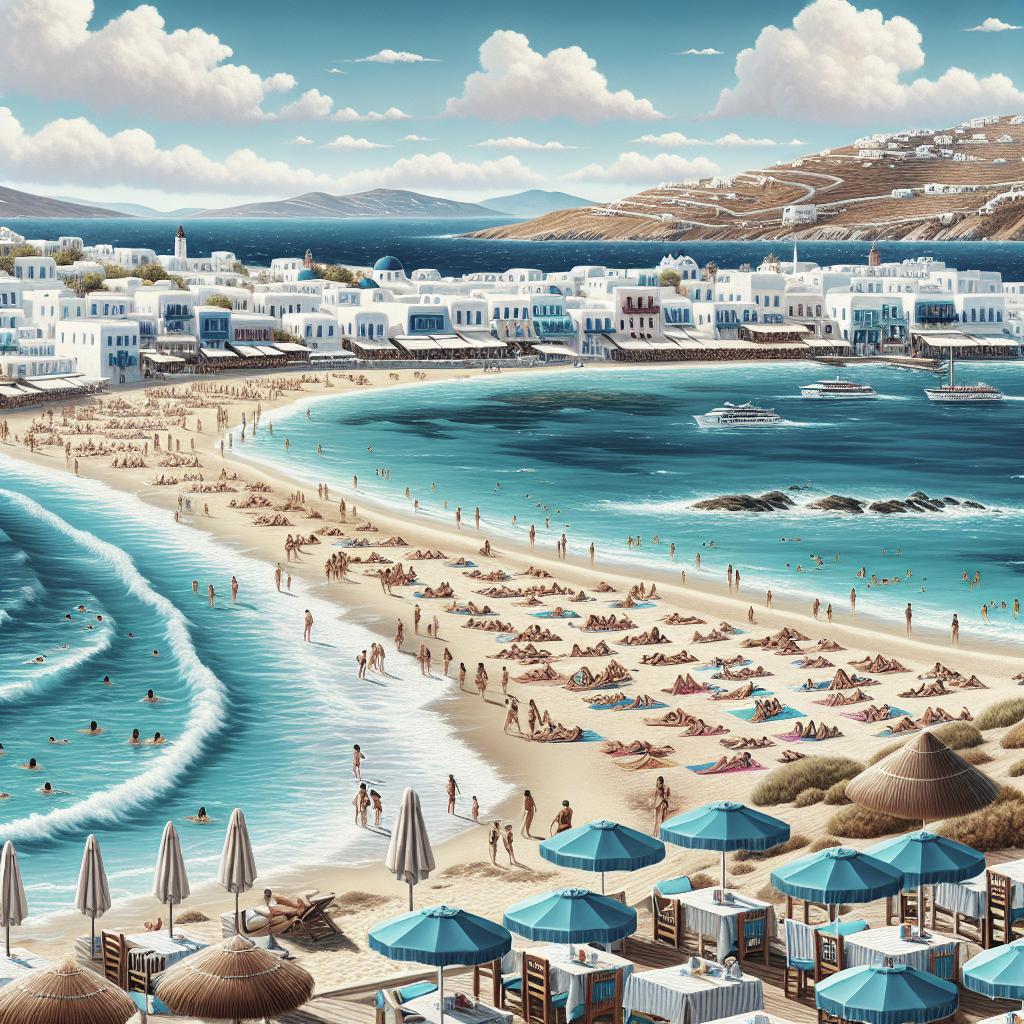
Over time, as tourism became a vital component of the island’s economy, these simplistic abodes evolved into more complex models to accommodate visitors. The original charm was retained with the use of whitewashed walls and blue domes, creating the iconic Cycladic style that tourists find so alluring. These buildings are a testament to the adaptability and resilience of Mykonos’ people, showcasing a seamless blend of traditional functionality with modern-day comforts.
Preventive Measures Against Piracy
The history of Mykonos is deeply intertwined with stories of seafaring and piracy, which significantly influenced its architectural development. The fear of pirate attacks led to distinct structural adaptations. Houses were built close to one another, forming a maze-like labyrinth to confuse invaders and protect residents.
Defense mechanisms were not limited to urban planning. Windows were narrow, doors were low and fortified, and lookout posts were strategically positioned. Architecture during this time was not just about aesthetics; it was about survival. These measures ensured that residents could protect their wealth and safety, leaving behind a legacy that shapes Mykonos’ architecture even today.
The First Lavish Mansions & Their Famous Residents
As Mykonos transitioned into a prosperous settlement, it attracted affluent families who erected the first lavish mansions. These dwellings were a stark contrast to the practical fishermen’s huts, with elaborate designs and luxurious finishes. Such homes became a statement of wealth and social standing.
Famous residents, including artists, politicians, and merchants, left their mark on these architectural wonders. Their influence is still palpable in the grandeur of structures like the Lena’s House, showcasing ornate décor and artistic influences from Europe. These mansions served as cultural hubs, hosting events that melded art, commerce, and politics, ultimately shaping the island’s social fabric.
Kinglike Villas – Setting the Standards in Luxury Villa Stays
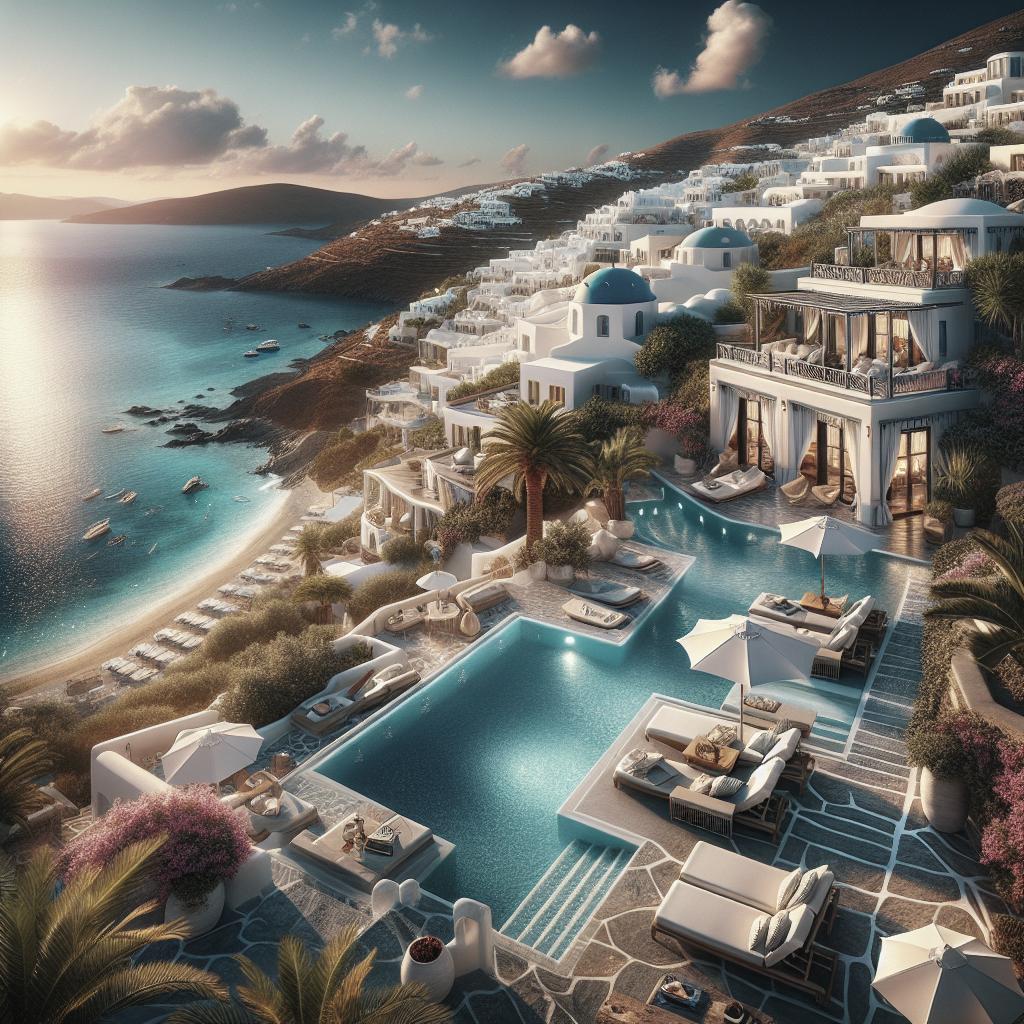
Today, Mykonos is synonymous with luxury, and its villas epitomize this opulence. These kinglike residences draw inspiration from the island’s architectural heritage while incorporating modern amenities that provide unparalleled comfort. Many use locally sourced materials and craftsmanship to maintain authenticity and sustainability.
Luxury villas in Mykonos stand out with their unrivaled attention to detail, offering personalized services that cater to high-end clientele. Infinity pools overlooking the Aegean, private chefs crafting bespoke menus, and exclusive access to secluded beaches are just some of the features that establish these villas as the pinnacle of indulgence in the hospitality industry.
Notable Villas Turned Museums or Landmarks
Several villas in Mykonos have transcended their original residential purpose, evolving into museums or landmarks that highlight the region’s rich history and culture. For instance, the Folklore Museum of Mykonos, previously an ancestral home, now serves as a repository of the island’s cultural heritage.
These historical conversions allow visitors to step back in time and appreciate the island’s journey. With artifacts, antiques, and period-appropriate reconstructions, the museums and landmarks paint a vivid picture of life in Mykonos throughout the ages, preserving traditions and stories for future generations.
The Importance of Architecture in Mykonos’ Hospitality Industry
The alluring architecture of Mykonos plays an integral role in the island’s thriving hospitality industry. The distinct style of whitewashed buildings, smooth-edged cubist lines, and vibrant blue accents create a uniform aesthetic that draws visitors worldwide, contributing significantly to the local economy.
Beyond aesthetics, architectural considerations are paramount in delivering bespoke experiences for travelers. Whether it is through sustainable construction, the integration of cutting-edge technology, or the maintenance of cultural heritage, the architecture of Mykonos remains at the heart of its appeal, ensuring that the island continues to draw repeat visits and positive reviews from travelers.
Architects Influencing the Design and Style of Mykonos Villas
Influential architects have been instrumental in shaping the modern landscape of Mykonos while paying homage to traditional styles. These visionaries seamlessly integrate elements like open-concept spaces and minimalist design that complement the natural Greek landscape.
Architects like Dimitris Rizos and John Pawson have left indelible marks on the island’s architectural footprint, merging functionality with timeless beauty. Their designs offer innovative solutions to contemporary challenges while preserving the essence of Cycladic aesthetics and enhancing the island’s reputation as a luxury destination.
Inspiring Landscape & Artistic Uniqueness
Mykonos’ landscape is a canvas of inspiration for local architects and artists. The island’s natural beauty, marked by rugged hills, azure waters, and an abundance of sunlight, creates a perfect backdrop for architectural projects that seek to harmonize with their surroundings.
The use of natural materials like stone, wood, and marble, along with techniques such as natural lighting and ventilation, celebrates the artistic uniqueness of Mykonos architecture. Creative expressions in architectural forms not only meet functional needs but also serve as captivating artworks that elevate the island’s artistic allure.
Eco-Friendliness at Its Best
Environmental consciousness has become increasingly important in Mykonos architecture. Today’s designs prioritize sustainability with technologies that minimize energy consumption and promote resource conservation. Architects are turning to green roofs, solar panels, and eco-friendly materials.
These efforts ensure that luxury does not come at the expense of the environment, preserving the natural beauty that makes Mykonos a paradise. The commitment to eco-friendly practices reflects a broader shift towards responsible tourism and showcases the island as a leader in sustainable development.
Today’s Facelift
While Mykonos treasures its past, it is not shy in embracing the future. Recent years have seen a facelift in architectural design, blending historical aesthetics with contemporary flair. Renovations focus on creating spaces that are both visually stunning and functionally superior.
Modern materials and innovative design solutions have led to the creation of smart villas equipped with state-of-the-art technology. These developments keep the island at the forefront of global architectural trends, ensuring Mykonos remains an enviable mix of ancient charm and modern sophistication.
Final Thoughts
The architecture of Mykonos is a narrative that chronicles the island’s history, culture, and evolution. From the simplicity of fishermen’s huts to the grandeur of luxury villas, each structure tells a story. As Mykonos continues to grow, its architecture remains a testament to the island’s enduring legacy, inspired by its past and looking confidently towards the future.
| Section | Content Summary |
|---|---|
| Historical Evolution of Villas | Transition from fishing huts to ornate mansions and the strategic measures against piracy. |
| Kinglike Villas | Modern luxury villas inspired by traditional design with high-end amenities. |
| Notable Villas Turned Museums | Villas preserved as cultural landmarks highlighting Mykonos’ rich history. |
| Architecture in the Hospitality Industry | The pivotal role architecture plays in defining the island’s tourism appeal. |
| Influential Architects | Architects who balance contemporary design with traditional aesthetics. |
| Eco-Friendliness | Innovative eco-friendly architectural practices shaping sustainable tourism. |
| Today’s Facelift | Modern advancements integrating technology and historical styles. |