
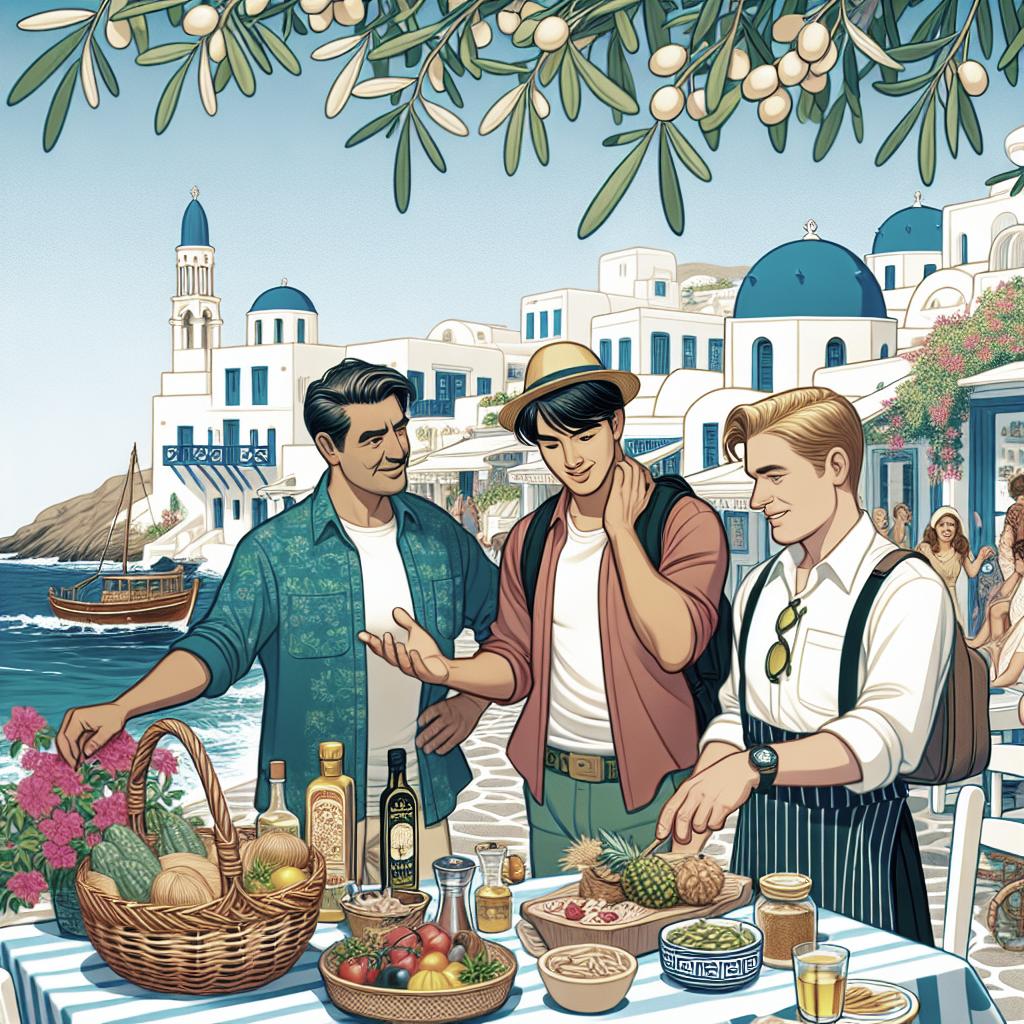
Cultural Etiquette Tips for Mykonos
Welcome to Mykonos, where the azure waters meet idyllic landscapes and a vibrant culture. While the island is known for its cosmopolitan lifestyle and energetic nightlife, understanding the local customs ensures a respectful and immersive experience. From the suitable attire and traditional dining etiquette to savvy travel tips and safety measures, this guide covers everything you need to know to navigate Mykonos’ cultural landscape like a local. Whether you’re a first-time visitor or a frequent traveler, these tips can help you make the most of your Greek adventure.
Do’s and Don’ts – Customs and Etiquette in Greece – Clothing
While Mykonos is known for its vibrant nightlife and eclectic fashion, respecting local clothing customs is important. Greeks appreciate well-dressed individuals, and although beachwear is perfectly acceptable on the beaches, it’s advisable to dress modestly when visiting villages or traditional sites. Avoid wearing swimsuits in restaurants or public transport, as this might be seen as disrespectful.
In the evenings, “smart-casual” is typically the way to go. Men often opt for button-down shirts and women for light dresses. Mykonos’ nightlife calls for a more glamorous touch, but keep in mind that the island can get windy, so bring a light jacket or scarf. When visiting churches or monasteries, cover your shoulders and knees, as these are revered places.
Do’s and Don’t in Greece – Beverages
When in Greece, do as the Greeks do, especially when it comes to drinking culture. Coffee is a significant part of Greek culture, with Greek coffee and frappe being favorites. Take time to savor your coffee instead of ordering it to go, as Greeks often spend hours socializing over their cup.
Alcoholic beverages are customarily consumed with meals rather than casually on their own. Ouzo and raki are popular choices. Remember, it’s customary to toast before drinking, so wait for your host or group to propose a toast. Moderation is key, as public drunkenness is frowned upon.
Dos and Don’ts in Greece – Customs and Etiquette regarding Transport
Public transportation in Mykonos is relatively efficient, with buses being a popular choice. Remember to queue patiently for buses, as pushing or cutting in line is considered rude. Tickets should be bought beforehand or from vending machines, as drivers typically do not sell them.
Read 24 Things to Never Do in Mykonos
When renting a scooter or bike, helmets are compulsory for safety, and failure to wear one can result in fines. Be cautious on narrow roads and give way to larger vehicles. If you decide to rent a car to explore the island, familiarize yourself with local driving laws.
Enjoy!
1. Don’t avoid planning a holiday to Mykonos only because it is expensive:
While Mykonos has gained a reputation for opulence, it’s possible to enjoy a fulfilling holiday without breaking the bank. Timing your visit during the shoulder seasons of spring and fall can offer lower prices and less crowded attractions. Accommodation can vary from luxury villas to affordable boutique hotels and cozy hostels, offering something for every budget.
Visiting Mykonos on a Budget?
Dining doesn’t have to be lavish. Seek out quaint, family-run tavernas where you can relish home-cooked meals at reasonable prices. Consider blending your itinerary with both paid and free attractions, like exploring the island’s charming streets and relaxing at its beautiful beaches, which cost nothing.
2. Don’t plan to visit Mykonos during winter if you are looking for hot temperatures:
Mykonos is most vibrant during the summer months when temperatures are warm and the island buzzes with activity. If you’re seeking to enjoy hot temperatures, the best time to visit is between late May and early October. During this time, the beach clubs are lively, and the island’s nightlife is in full swing.
Visiting during winter can reveal a quieter side of Mykonos, suitable for those seeking solitude and local interaction. However, many establishments may be closed, and weather can be unpredictable, so plan carefully if opting for this quieter season.
3. Don’t drink and drive:
Greece has strict laws when it comes to drinking and driving, with legal blood alcohol levels lower than in some other countries. For your safety and others, refrain from mixing alcohol with driving. Instead, use a taxi or have a designated driver if you plan to consume alcohol.
The compact nature of Mykonos allows for easy navigation without a car, making it simple to opt for public transport or taxis, which are readily available and reliable.
4. Don’t be afraid to learn some basic sentences in Greek:
While English is widely spoken in tourist areas, learning a few basic Greek phrases can go a long way in enhancing your travel experience. Simple phrases like “Kalimera” (Good morning), “Efharisto” (Thank you), and “Parakalo” (Please) are appreciated by locals.
Making the effort to speak the native language is seen as respectful and often warmly received, potentially opening doors to deeper connections and authentic experiences.
5. Avoid tourists traps:
With its picturesque allure, Mykonos attracts visitors and, subsequently, tourist traps that can affect your experience. Plan your itinerary to include a mix of popular sites and hidden gems. Explore lesser-known beaches or ask locals for recommendations on dining and attractions to avoid overcrowded spots.
Planning a Romantic Vacation in Mykonos?
Seek out secluded locations or activities off the beaten path for a more personal experience. Consider hiring a local guide who can offer unique insights and access to areas often missed by the average traveler.
6. Don’t be afraid to talk to locals:
The people of Mykonos are known for their hospitality and warmth, often eager to share stories about their island. Engaging in conversation with locals can enrich your cultural understanding and lead to discovering hidden locations or gaining insider tips.
Approach interactions with an open mind and respect, and you’ll likely gain fascinating insights into the island’s history, traditions, and way of life, granting you a richer experience.
7. Don’t forget to research where to eat locally:
Mykonos offers a range of dining options, and knowing where to find authentic cuisine can enhance your gastronomic adventure. Beyond the well-trodden paths, you can discover local tavernas serving traditional Greek delicacies prepared with fresh, local ingredients.
Want to know more about Food in Mykonos?
Seek recommendations from locals or fellow travelers for hidden culinary gems. Often, these are off the main tourist trails but offer some of the best food experiences in relaxed, homely settings.
8. Don’t be scared to share your meal with your travel mates:
Greek dining is a communal and social activity, with meals often being shared among companions. Embrace this tradition by ordering several dishes to taste and share, which can also offer a more varied and rich culinary experience.
Family-style dining is common, and trying a range of dishes like fresh seafood, meze, and traditional Greek salads allows you to sample the best of Greek cuisine.
9. Don’t eat only Greek food you have heard about:
While Greek dishes like moussaka and gyros are popular, venture beyond these staples to discover lesser-known regional specialties. Mykonos’ culinary scene is both eclectic and unique, influenced by island traditions and fresh produce.
Experiment and try local dishes such as kopanisti (a spicy cheese spread) or louza (a cured meat), expanding your palate and deepening your appreciation for the island’s cuisine.
10. Don’t talk about politics or country issues:
In Greece, discussing politics can be a sensitive subject, particularly among strangers. It’s advisable to steer clear of political topics unless you are familiar with someone enough to understand their standpoint.
Instead, focus on lighter subjects like culture, local traditions, or personal experiences, which are more enjoyable and inclusive for conversation among diverse groups.
11. Don’t forget to bring a gift when a local invites you to their house:
Greek hospitality is renowned, and if you are fortunate enough to be invited to a local’s home, bringing a small gift is a thoughtful gesture of appreciation. It need not be extravagant; something simple like a bottle of wine, flowers, or sweet treats will suffice.
Want to See More Places in Greece?
Offering a token of gratitude helps solidify relationships and shows respect for the hospitality provided, enriching your experience and understanding of Greek culture.
12. Don’t forget to be extra careful when crossing the road:
Traffic in Mykonos can be busy, particularly during peak tourist seasons. Always be cautious when crossing roads, as traffic signals may not always be adhered to rigorously. Use pedestrian crossings and watch out for the flow of vehicles at roundabouts and junctions.
Walking is a convenient way to get around many parts of the island, but remain alert to vehicles, especially scooters and motorcycles, which are popular modes of transport here.
13. Don’t expect everything or everyone to be on time:
Time in Greece tends to be more relaxed, sometimes called “Greek time.” While schedules exist, be prepared for some flexibility regarding meeting times or transport schedules. Patience and understanding go a long way.
This laid-back approach is part of the charm of Mykonos, encouraging you to go with the flow and embrace the slower pace of island life that allows you to enjoy the moment.
14. Don’t show your hand palm:
In Greece, showing your open palm is considered a rude gesture. This custom, known as “mountza,” is historically offensive, much like a particular hand gesture might be in other cultures. Be mindful of your hand movements, especially when gesturing ‘stop’.
Instead, use verbal cues or nodding to indicate agreement or to get someone’s attention comfortably without causing unintended offense.
15. Don’t forget to apply sunscreen:
With beautiful beaches and over 300 days of sunshine annually, Mykonos promises plenty of sun exposure. Make sure to pack and regularly apply high-SPF sunscreen to protect your skin, especially on days spent outdoors.
A sun hat and sunglasses are recommended accessories, allowing you to enjoy the splendid weather safely while preventing overexposure to harmful UV rays.
16. Don’t spend all your holiday in one place:
While Mykonos is breathtaking, don’t limit yourself to just one spot. The island offers a diverse range of locations, from the bustling streets of Mykonos Town to the tranquil beaches of Agios Sostis.
Exploring different areas allows you to appreciate the unique aspects of each, ensuring a well-rounded experience of Mykonos’ natural beauty and lifestyle offerings.
17. Don’t forget to bargain:
Bargaining is common in some local markets in Mykonos, though the practice isn’t as pronounced as in other destinations. Don’t shy away from a little friendly negotiation when buying souvenirs or goods in markets, as it can be part of the buying culture.
Plan Your Vacation in Mykonos
Approach haggling respectfully, and you might end up with a great deal. Ensure you remain courteous throughout, as respecting the vendor is crucial in such exchanges.
18. Don’t forget you will need an international driver’s license to rent a car in Greece:
If renting a vehicle, ensure you obtain an international driver’s license as Greek law mandates it for tourists. This applies to rentals of cars, motorcycles, and scooters.
Plan ahead and arrange your license beforehand to avoid inconvenience upon arrival. This allows you to explore the island at your own pace while adhering to legal requirements.
19. Don’t forget to buy local products as souvenirs:
Support the local economy by purchasing authentic Greek products as souvenirs. Mykonos offers handcrafted items such as ceramics, jewelry, and textiles that reflect the island’s artistry and culture.
Sampling locally made products like honey, olive oil, and cheeses can also be delightful, offering a taste of Mykonos to take home and share with friends or family.
20. Don’t throw toilet paper or anything else inside the toilet:
Due to plumbing issues, Mykonian sewage systems cannot handle toilet paper or foreign objects. It’s customary to dispose of toilet paper in the bins provided in every bathroom instead.
Understanding and adhering to this custom avoids inconvenience and helps maintain the island’s infrastructure, reflecting your respect for local practices.
21. Don’t forget to withdraw money:
While card payments are widely accepted, having some cash on hand is advisable for smaller establishments, tips, or emergencies when card payment might not be possible.
Tips & Info About Mykonos
ATMs are available, but can charge fees for foreign cards. Be strategic about withdrawals and ensure you have enough euros for flexible, stress-free spending.
22. Don’t waste your time looking for a smoke-free bar or restaurant:
In Greece, smoking is still prevalent in many bars and restaurants, despite some restrictions. If you’re seeking a strictly smoke-free environment, prepare to be flexible or seek outdoor seating.
Enjoy dining alfresco or opt for venues with better ventilation if smoking indoors isn’t preferable, allowing you to comfortably enjoy your meal or drinks.
23. Don’t forget to bring with you an adapter:
Greece uses the European-style two-round-pin plugs, so packing a universal adapter is essential for charging devices. Confirm the voltage (230V) for compatibility with your electronics before your travel.
Having a reliable adapter ensures connectivity, capturing memories, and staying in touch with loved ones without disruption.
24. Don’t forget to save the emergency numbers:
A crucial part of travel safety is knowing how to reach help if needed. In Greece, the crucial emergency number is 112, which connects you to police, medical, or fire services.
Saving this number in your phone ensures you’re prepared to seek assistance quickly should you encounter any issues during your stay in Mykonos.
.
Don’t Miss to Read
| Tip | Description |
|---|---|
| Clothing Customs | Dress modestly in public areas; smart-casual for outings. |
| Beverages | Enjoy drinks with meals; use moderation. |
| Transport Etiquette | Adhere to public transport norms; wear helmets on bikes. |
| Budget Travel | Visit during shoulder seasons for affordability; explore local tavernas. |
| Weather Consideration | Visit during warmer months for best experience. |
| Drink and Drive | Avoid drinking and driving; use taxis or public transport. |
| Learn Greek | Use basic Greek phrases for respect. |
| Tourist Traps | Mix popular sites with hidden gems; avoid overcrowded places. |
| Interact with Locals | Engage in conversations; gain insights into the culture. |
| Local Dining | Explore beyond famous dishes; embrace sharing meals. |
| Politics Discussion | Avoid political topics; focus on culture and experiences. |
| Gifts for Locals | Bring a small gift when visiting local homes. |
| Road Precautions | Be cautious when crossing roads; watch for scooters. |
| Greek Time | Expect flexibility in timing; embrace the slowed pace. |
| Hand Gestures | Avoid showing open palms; misunderstood as offensive. |
| Sunscreen | Protect your skin from the sun with sunscreen. |
| Explore More | Visit various parts to experience the island fully. |
| Bargaining | Negotiate respectfully in local markets. |
| Driver’s License | Require an international license for renting vehicles. |
| Local Souvenirs | Buy authentic Greek products to support locals. |
| Use of Toilets | Dispose of toilet paper in bins, not toilets. |
| Money Withdrawal | Have cash for flexibility; ATMs available. |
| Smoking Areas | Seek smoke-free zones, common indoor smoking. |
| Adapters | Bring a universal adapter for electronic devices. |
| Emergency Numbers | Save 112 for emergencies while visiting. |

